
Cutting a Week of Video Production From 45 Hours to Eight
Expert-led video is expensive in the one thing experts don't have: time. So we rebuilt the whole production line behind Medheads — research, scripting, AI presenters, animated graphics, straight into the edit. The doctors still approve every script. The week went from 45 hours to eight.
Before we build anything for a client, we tend to do it to ourselves first. This one we did to Medheads — the certified health channel we produce, where practising specialists cover general health, addiction medicine and emerging research for an audience of around twenty thousand.
The problem with expert-led video is that it costs the one thing experts don’t have. Doctors are busy. Filming needs a room, a camera, lighting, multiple takes and a specialist who’d rather be seeing patients. For a while the only time one of ours was free was Saturday evening, which is a sentence that tells you most of what you need to know.
At its worst the channel was taking about 45 hours of my week. It was never my full-time job.
It became a huge amount of time and unmanageable. It's become manageable again because of the tools that are available now.
What we changed, and what we deliberately didn’t
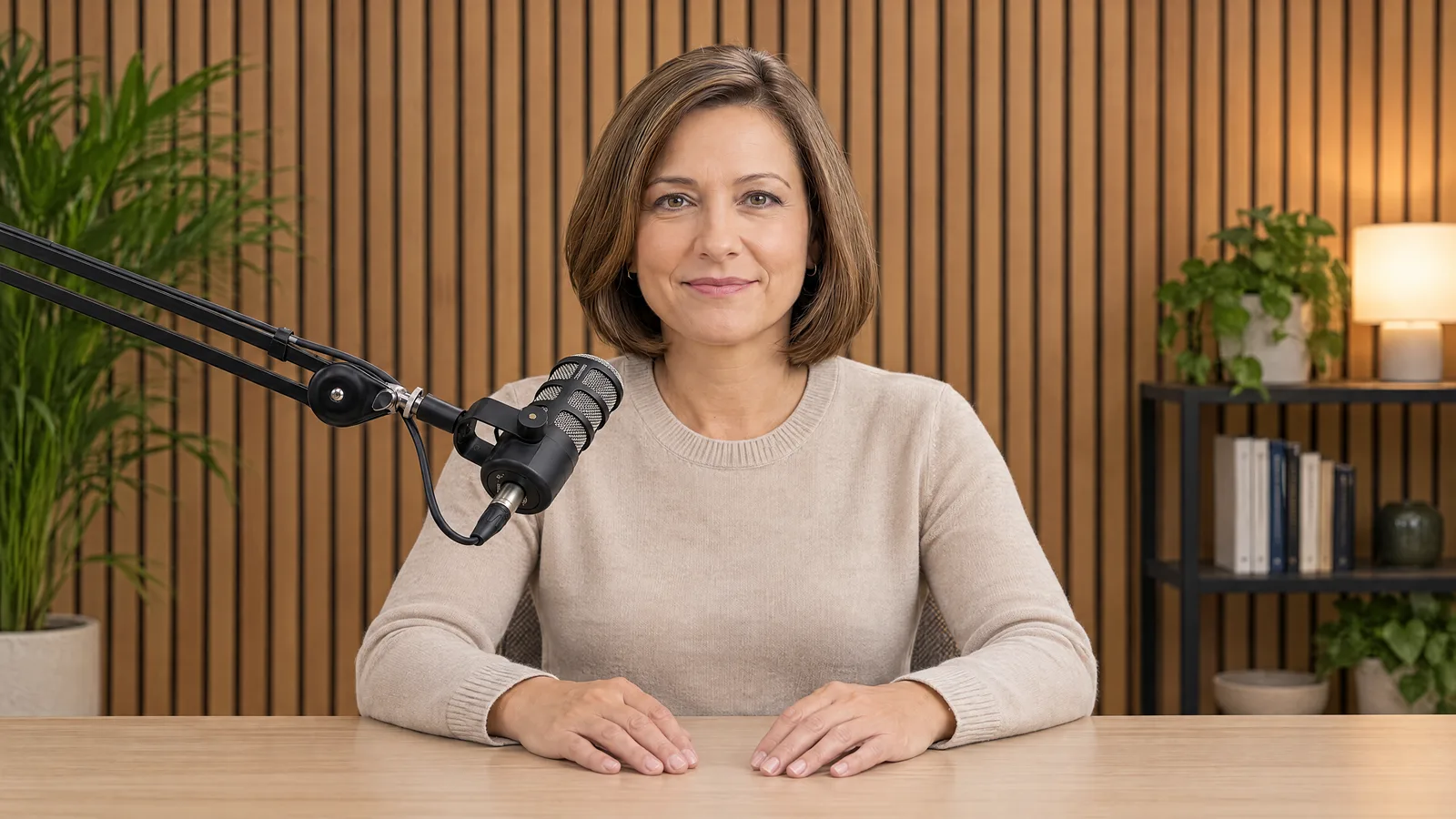
The part everyone wants to talk about: Medheads now has two AI presenters, Annabelle and Elliot, who deliver scripts to camera. After forty years in broadcast I was ready to be unimpressed. I showed my wife. She said it looked better than what we’d been shooting.
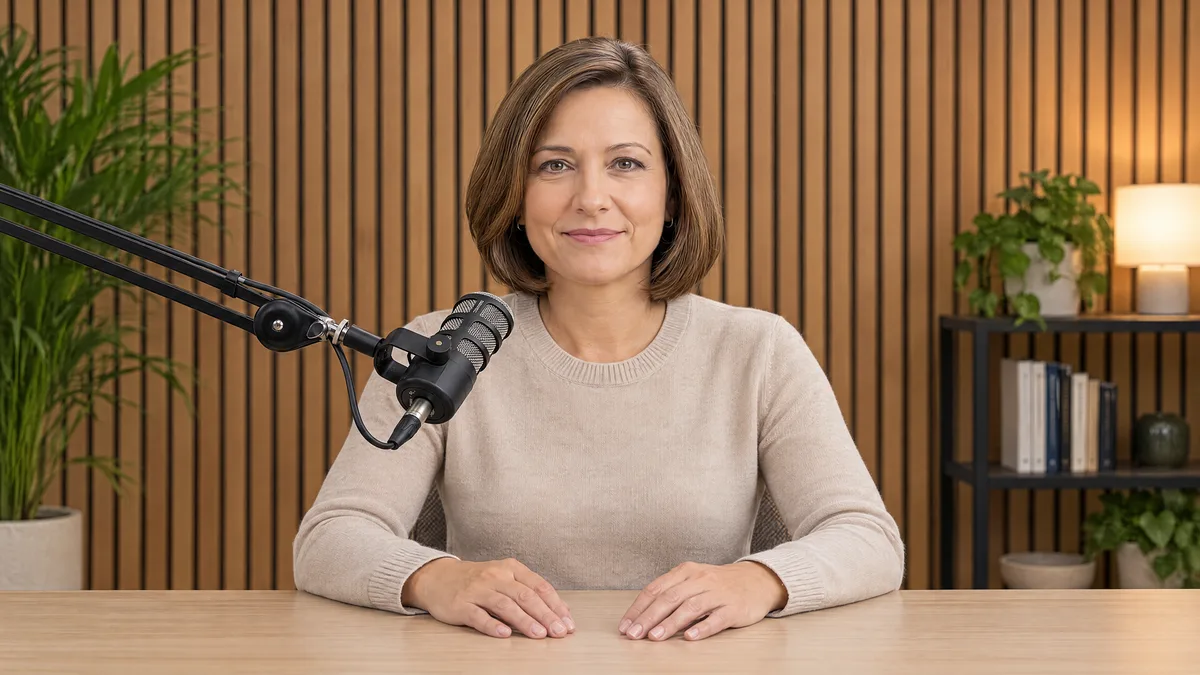

The part that matters more is what didn’t change. The research is still mine. The scripts are still written by me. And every script still goes to a practising doctor for review before a word of it is spoken, because Medheads is a certified health channel and accuracy outranks views.
That distinction is the whole thing. Automate the delivery and you save a weekend. Automate the judgement and you eventually publish something that hurts someone.
The production line
The presenters are one component in a system we built around them. End to end:
- Topic selection. The system watches for subjects worth covering and surfaces candidates, rather than starting every week from a blank page.
- Research and scripting. Sources gathered, organised and kept with the script, including pronunciation guidance for the drug names that would otherwise need a retake.
- Medical review. The script goes to a specialist. This is a human gate and stays one.
- Presenter. Once approved, the script becomes a presenter video.
- Graphics. A second system reads the finished script, works out where a visual would actually help, decides what that visual should be — and writes a DaVinci Resolve project file with the animated graphics laid out on the timeline.
- Edit. I open the project and finish it.
That last handover is the part I’d point a client at. The graphics step isn’t “AI made a picture”; it’s a program that reads a script, forms a view about where the attention drops, and builds the timeline for the editor to work on.
I've got 90% of everything ready to go. It just needs me to edit.
What it bought
The core week went from about 45 hours to about eight.
Roughly 90% of production is done before I open the edit. And when a health story breaks and the window is hours rather than weeks, I can research, write, get approval and publish a finished, properly graded video in a couple of hours — which simply wasn’t possible when every video needed a specialist and a camera in the same room.
There’s a quieter benefit too. If a topic needs a different setting, I change the setting. No location, no booking, no lighting kit. The background is clean and the lighting is right because it was never wrong.
Here’s a recent one, made this way:
HeyGen came and wrote it up
HeyGen — whose presenter technology sits in the middle of this — published the whole thing as a customer story: This health channel cut video production from 45 hours a week to 8 with AI video. Worth reading if you’d rather hear it from someone who isn’t us.
Why we’re telling you this
Because the shape of the problem isn’t specific to health, or to video.
Almost every business we talk to has expertise locked inside two or three busy people, and a process that can only run when one of them is free. The expertise is real and the bottleneck is real, and the usual answers are to accept less output or hire someone to chase the busy people harder.
There’s a third answer: look carefully at which steps genuinely need the expert’s judgement, and build machinery for every step that doesn’t. In our case the doctors’ judgement was non-negotiable and the other five steps weren’t. That’s an unusually clean split, but most processes have one, and most people have never sat down and drawn the line.
If some part of your operation only moves when one particular person has a free afternoon, that’s the thing worth looking at. It’s usually where we’d start.
Something in your business look like this? We build the software, websites, automation and AI that fix it — and the writing that goes with them.
Book a chat →